At the Exhibition
Installations at The Georgette 150th
The Georgette 150th is not only wall-hung photographs. Three installations use different technologies to place visitors inside the story — the place, the character, the act of looking. Each has a dedicated page for galleries and museums interested in licensing, buying, or borrowing the work.
360° Immersive Video
Cubarama
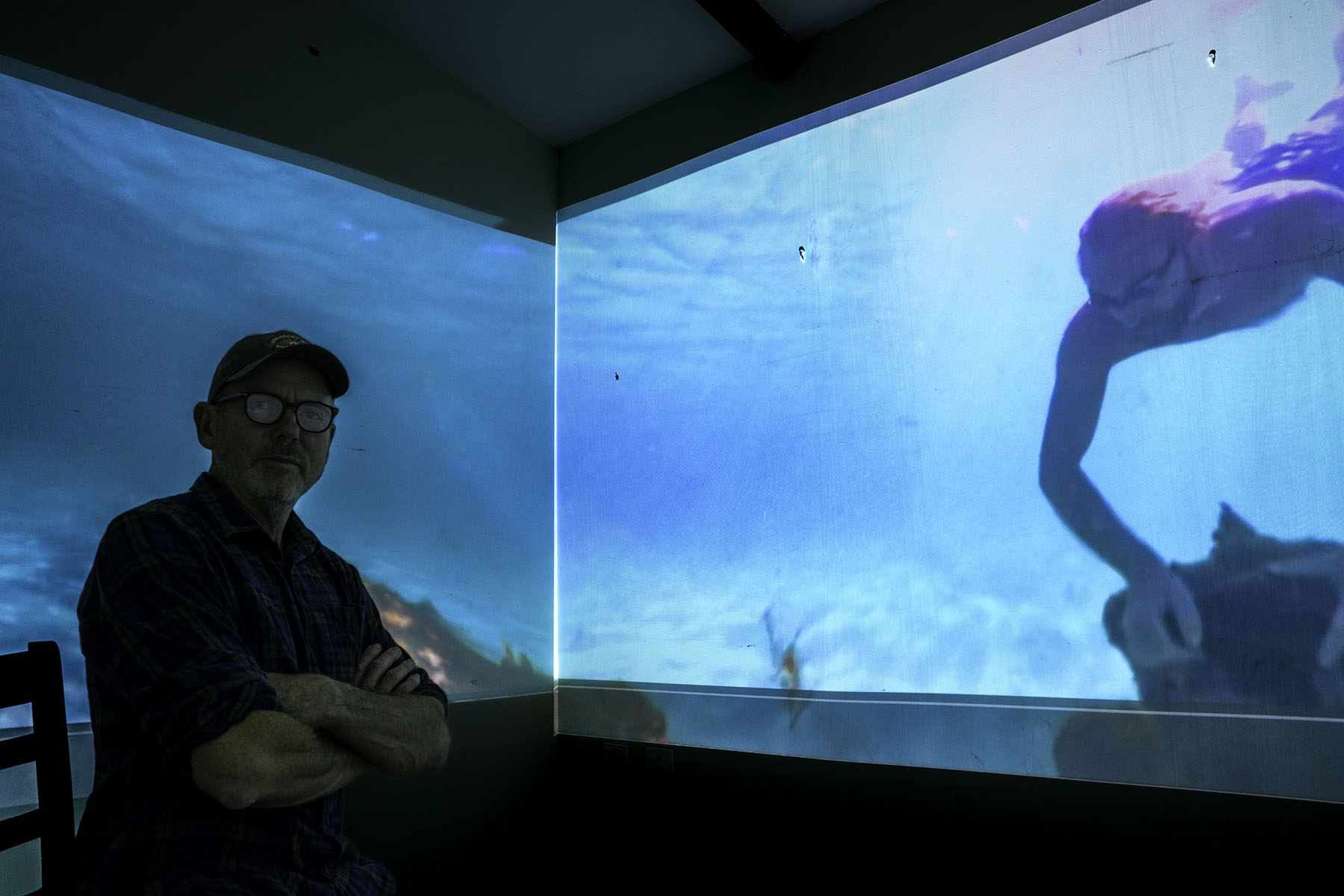
You enter a room and the room becomes the coast. Four walls of projected video — the water, the rock, the sky at Calgardup Bay, Redgate Beach, Isaac Rock — surround you completely. There is no frame. There is no edge. The horizon is everywhere.
Cubarama is a four-wall 360° video installation. The footage was shot on location at the exhibition sites. Standing at the centre of the room, you are standing at the centre of the place where the Georgette went down. The sound is the sound of the coast — wind, water, the particular silence of remote beaches in the early morning. You can stay as long as you like.
Interactive AI · MetaHuman
Captain Godfrey
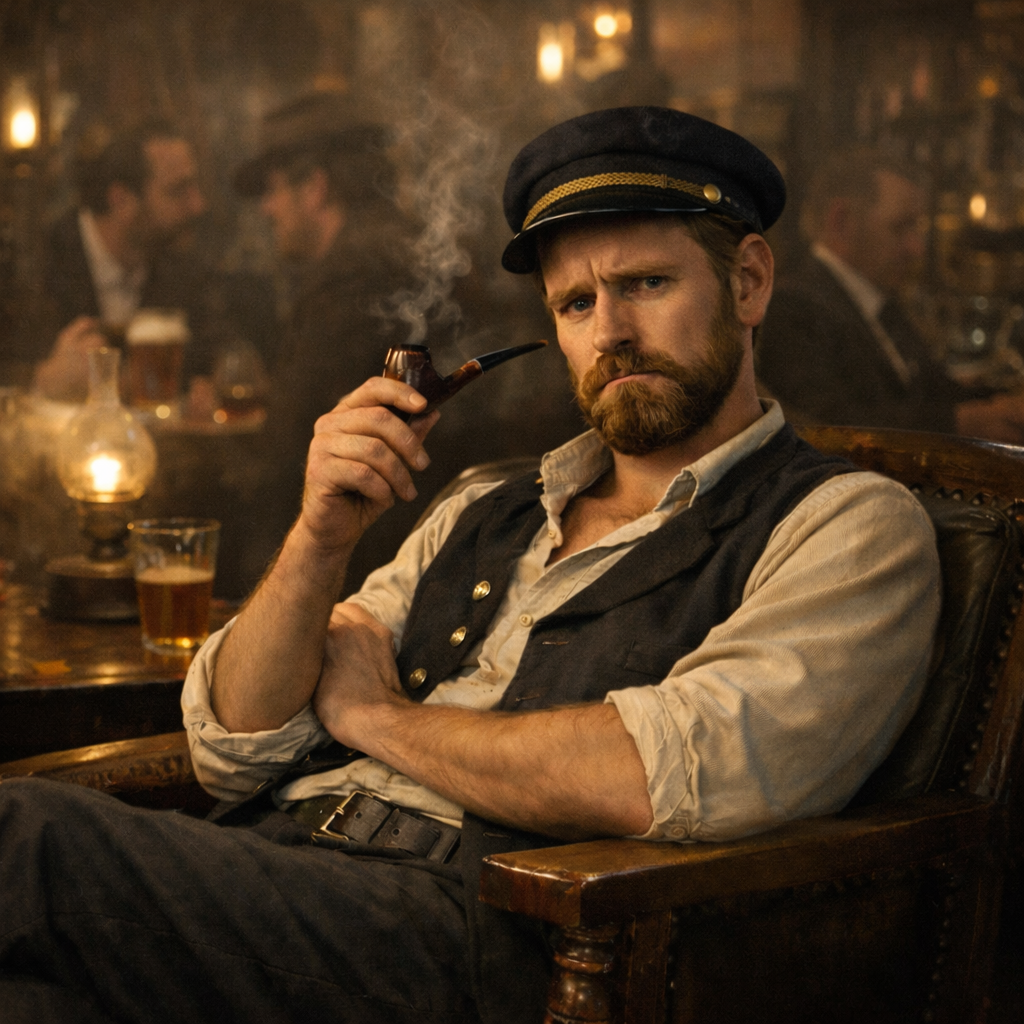
Captain John Godfrey will speak with you. He is standing in the weeks following the Busselton marine inquiry of December 1876. His certificate of competency has been suspended for eighteen months. A manslaughter charge is before the courts. Fremantle, where he lives, is a port town with a long memory.
Ask him about the night the Georgette went down. Ask him about the lifeboat. Ask him about William Dundee, his first officer, on whose incompetence he places significant blame. Ask him about Grace Bussell and Sam Isaacs. He will answer every question — in his own way, in his own register, with the pride and guardedness of a man who believes absolutely that he has been made a scapegoat.
Captain Godfrey AI is a real-time interactive digital human — a MetaHuman figure animated live by artificial intelligence. His voice was recorded and cloned from a human performer. His character is built from the marine inquiry transcript, from Marcia van Zeller's historical research in Cruel Capes, and from the firsthand passenger account of George Leake. He is not playing back recordings. Every conversation is different.
Voice and likeness provided by a human performer. Character informed by the Busselton marine inquiry transcript (December 1876), Cruel Capes by Marcia van Zeller (Curtin University, 2014), and the letters of George Leake (State Records Office of Western Australia).
Kinect · Interactive
Drift
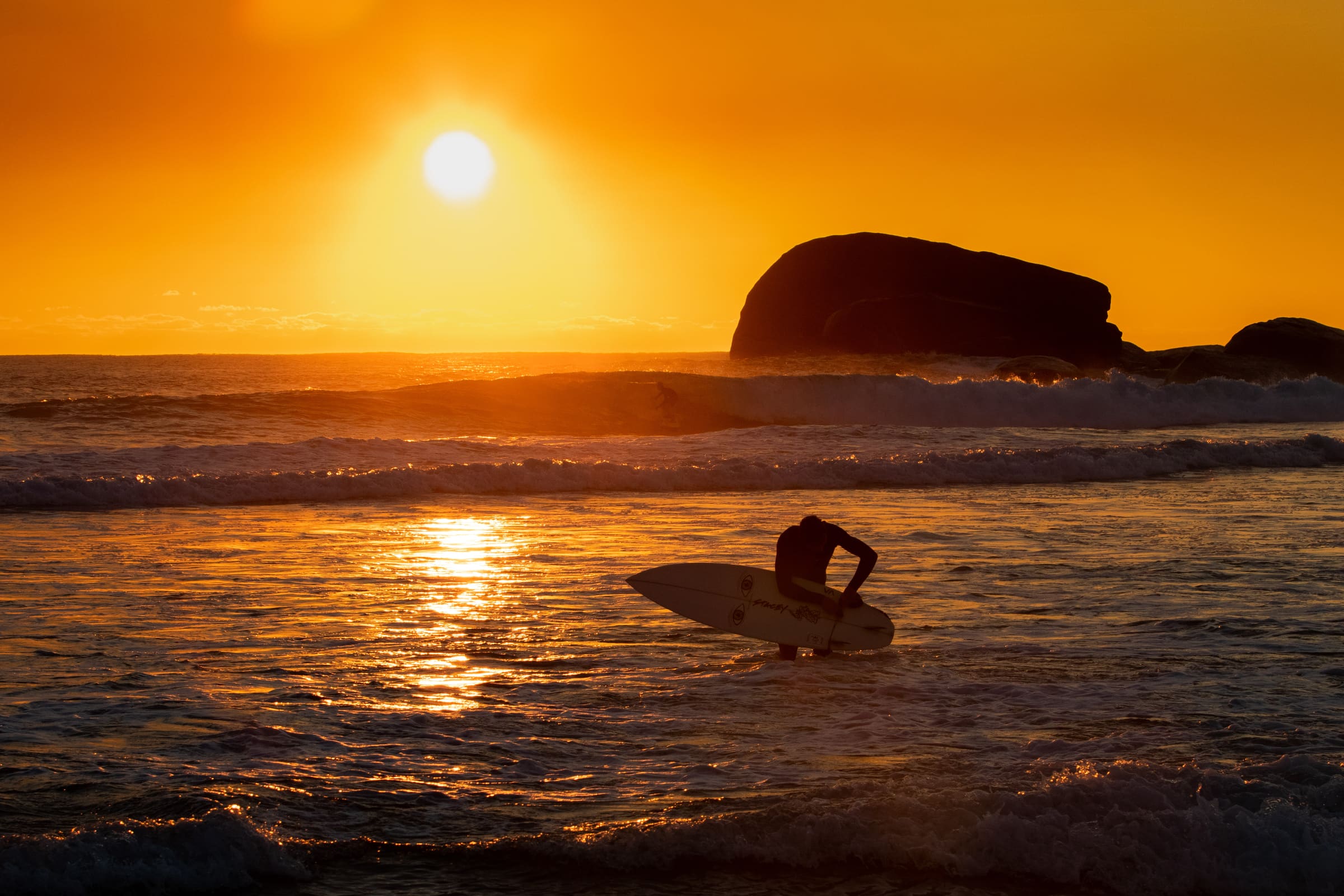
The photographs are on the screen. You move, and they move with you. Drift is a Kinect-driven interactive display — your body becomes the interface. Step left and the images follow. Step closer and they open up. Stand still and they settle.
The experience is not about navigation. It is about the relationship between a body and an image — the way looking at a photograph is never entirely passive. In Drift, that relationship becomes physical. The photographs are John Bowskill's images of the Georgette and other local sites. The movement is yours.
Public Talk
Marcia van Zeller
The Truth About the Georgette
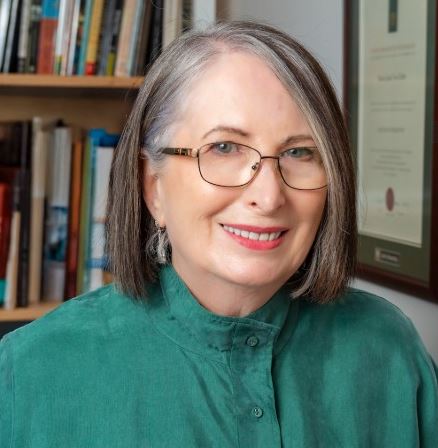
Marcia van Zeller spent years researching the wreck of the SS Georgette for her doctoral novel The Capes, completed at Curtin University in 2014. Her research took her to the State Records Office of Western Australia, the Battye Library, the tiny Busselton courtroom where the marine inquiry was held in December 1876, and to the coast itself — Redgate Beach, Calgardup Bay, the locations of this exhibition.
Her work excavated the contradictions in the historical record: the eyewitness accounts that contradicted the press; the contested role of Sam Isaacs; the captain who was found guilty and never accepted the verdict. She will give a free public talk on Sunday 20 September at 11am — drawing on her research, her novel, and what fifteen years of living with this story has taught her about the gap between history and truth. The talk runs for one hour and finishes at midday. All welcome.
Sunday 20 September · 11am–12pm · Free · All welcome · Venue as exhibition
Reserve a free place